
Seven Oak Flooring Options You Probably Did Not know About
Most homeowners assume that oak means choosing between red oak and White Oak. In reality, there are multiple wood flooring options that differ in grain patterns, tone, texture, and how they perform over time. Knowing what each one offers helps you choose a floor that supports your design goals and stands up well in daily life.
If you are exploring other species as well, our guide on Using Exotic Woods for Your Wood Floor expands on additional options.
1. Domestic Red Oak: The Familiar Favorite
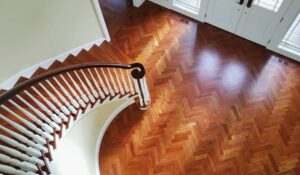
Domestic red oak remains one of the most widely used solid hardwood flooring species because it performs reliably in a range of homes and finishes well. Its grain pattern is naturally more pronounced, which gives the floor movement and visual depth without feeling busy. Red oak is also known for responding well to refinishing over the years, making it a practical option for homes that expect long-term use and normal foot traffic.
- Good for: Classic or transitional interiors, family homes with routine traffic
- What stands out: Warm honey to amber tones, expressive natural grain that helps mask everyday wear and small imperfections
2. Domestic White Oak: The Clean and Neutral Choice
Domestic White Oak Hardwood Flooring is a go-to choice for homeowners who want a floor that feels calm and balanced. Its tighter grain patterns create a smoother overall appearance, allowing the rest of the room’s design to shine. White Oak has a closed-cell structure, which gives it natural resistance to moisture movement. This added stability is one reason it performs so well in a wide range of climates.
- Good for: Modern spaces, neutral palettes, homes that want long term versatility
- What stands out: Tighter grain, taupe to golden tones, excellent stability and stain adaptability
If you want a deeper comparison of how red oak differs from white oak in both look and performance, see our post on The Differences Between Red Oak and White Oak Hardwood.
3. European White Oak: The Smooth and Consistent Option
Character Grades of White Oak celebrate the full range of natural wood characters found in the tree. Rather than minimizing knots or streaks, this grade brings them forward in a way that feels organic and intentional. Despite the visible markings, Character Grade White Oak still carries the same durability and stability of White Oak.
- Good for: High design homes, wide plank floors, spaces that require visual cohesion
- What stands out: Balanced grain, consistent color, naturally elegant and premium appearance
4. Character Grade White Oak: The Natural and Textured Look
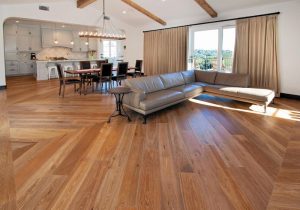
Character grade white oak celebrates the full range of natural features found in the tree. Rather than minimizing knots or streaks, this grade brings them forward in a way that feels organic and intentional. Despite the visible markings, character grade still carries the same durability and stability of white oak.
- Good for: Open concept spaces, modern farmhouse styles, rooms that benefit from warmth and visual texture
- What stands out: Natural detail, intentional variation, a blend of sophistication and personality
5. Quarter Sawn Oak: The Grain Detail That Stands Out
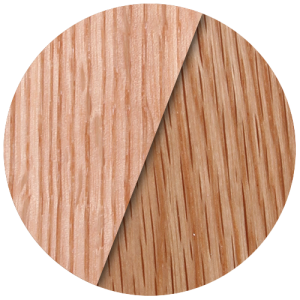
Quarter sawn oak is known for its striking ray fleck patterns, which appear when the log is cut at specific angles. These longer rays and shimmering lines give the wood a signature look that changes gently in different lighting. This cutting method also enhances the wood’s stability, reducing the likelihood of cupping or warping over time.
- Good for: Homes that want standout grain variations and visual depth
- What stands out: Ray fleck detail, excellent stability, a premium and handcrafted appearance
6. Reclaimed Oak: The Sustainable and Historic Option
Reclaimed oak comes from barns, mills, and older structures, giving each board a story and patina that cannot be replicated. Every plank has its own markings from previous use, such as weathering, knots, nail holes, or saw marks. Beyond aesthetic appeal, reclaimed wood is often chosen for its sustainability and eco-friendly wood floors appeal.
- Good for: Heritage inspired homes, rustic styles, environmentally conscious homeowners
- What stands out: Rich patina, unique variations, authentic history and eco friendly sourcing
7. Hand Scraped Oak: The Crafted and Cozy Choice
Hand-scraped oak offers the warmth and character of older floors without requiring reclaimed materials. The surface is intentionally textured to mimic the look of time-worn boards. The texture also makes everyday wear less noticeable, which is why hand-scraped finishes are popular for high-traffic areas or homes with active families.
- Good for: Farmhouse or cottage designs, relaxed and comfortable living spaces
- What stands out: Intentional surface textures, warm and inviting appearance, hides wear naturally
Why Oak Offers More Possibility Than Most People Realize
Oak has stayed popular for generations because it offers strength, versatility, and a range of appearances depending on how it is milled and finished. The variety within oak allows it to work beautifully in both traditional and modern homes. Whether you prefer a quiet, uniform look or want visible knots and movement, oak can be customized to match that style.
A Thought from the Patrick Daigle Team
White Oak hardwood flooring has been part of our work for four generations. We help homeowners compare wood types, grades, and finishes in their own rooms so the choice feels clear and grounded in real-world conditions. It is not about selecting the most expensive option. It is about selecting the one that suits your home, your lighting, and your daily routines.
Patrick Daigle Hardwood Flooring. Craftsmanship, care, and experience you can trust.