
The Refinishing Reveal: What Actually Happens When You Restore Hardwood Floors
Many homeowners wonder what really happens when a hardwood floor is refinished, and what kind of difference it makes. In practice, refinishing goes far beyond polishing the surface. It carefully removes years of wear to uncover the original grain and tone of the wood beneath.
Once you see what the process restores, not just how it looks but how it feels underfoot, it becomes less about upkeep and more about bringing the floor back to life.
What Sanding Really Does
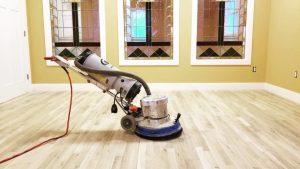
Sanding removes more than just old finish. It takes off a very thin layer of solid wood, usually about one sixteenth of an inch, enough to erase surface damage and expose fresh grain beneath.
Sanding removes:
- Scratches, scuffs, and dull finish
- Light stains from spills or minor watermarks
- Traffic patterns and residue buildup
Sanding reveals:
- Clean, raw wood that hasn’t seen light in years
- True grain patterns and natural color
- Any deeper issues, like cracks or pet damage that extend below the surface
This stage often surprises homeowners. As the old finish comes off, the wood floors suddenly look refreshed, but sanding can also reveal damage that was hidden beneath the surface. Knowing when resurfacing is enough and when board replacement is needed is part of a professional hardwood floor process.
Why Dust Control Matters
Traditional sanding can release fine dust that lingers long after the work is done. Modern dustless hardwood floor refinishing services capture dust at the source using specialized containment systems.
This doesn’t just make cleanup easier, it directly improves finish quality. Less airborne dust means:
- Smoother results with fewer imperfections
- Better adhesion for stain and polyurethane
- Healthier indoor air during the floor resurfacing process
Dust control is especially important in homes where water and humidity levels fluctuate, as cleaner surfaces allow finishes to bond properly and protect against future moisture damage.
For homeowners preparing for refinishing, our post on Hardwood Floor Refinishing Expectations explains how dustless systems and surface preparation affect the final result. A clean work area isn’t just a comfort, it’s part of what determines how long the new finish will last.
The Stain Stage: Where Design Happens
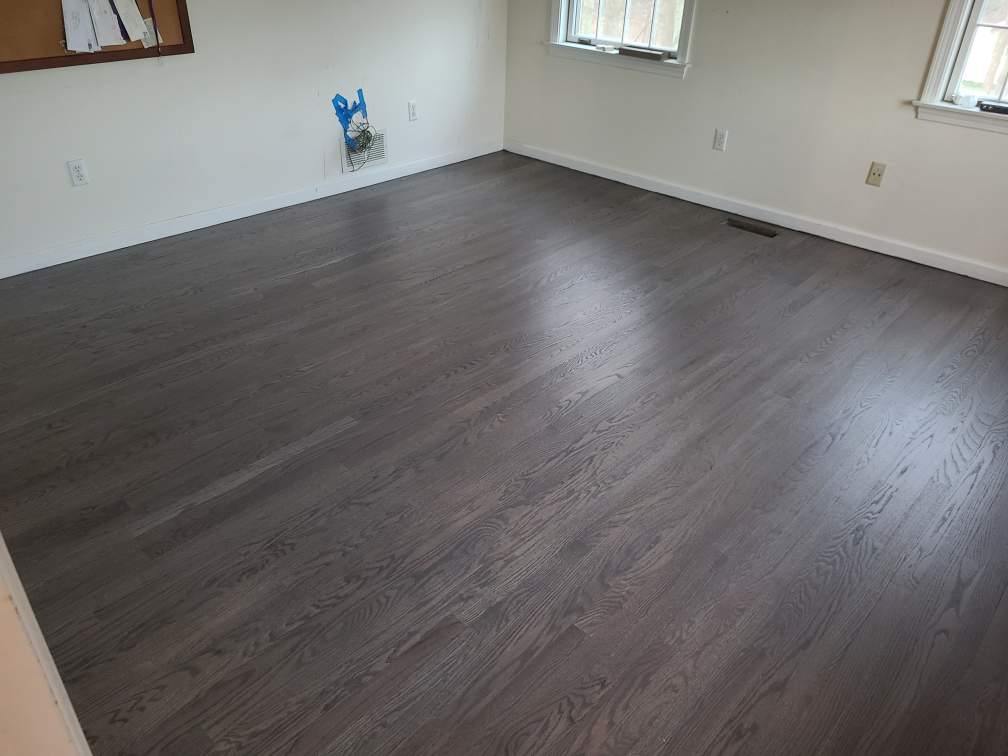
After sanding, most floors look lighter than expected, almost unfinished. Staining restores depth and tone, turning raw wood into a defined surface that complements the room.
Stain choice completely changes a floor’s character:
- Red Oak brings warmth with natural honey or rich walnut tones.
- White Oak adapts easily to cool gray, taupe, or natural finishes for a modern feel.
- Hickory highlights contrast and texture when finished in clear or neutral stains.
Because every Type of Flooring absorbs stain differently, testing directly on the floor planks gives the most accurate result, especially with wide plank or engineered hardwood flooring installations.. Our blog on Light Wood vs. Dark Wood Floors explores how color choices influence how a room feels and how much maintenance it requires.
The Finish Layer: How Protection Works
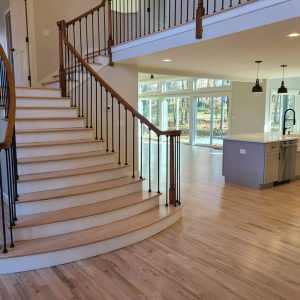
Once the stain sets, the floor is sealed with multiple coats of polyurethane. Each coat builds protection and determines how the floor reflects light.
Oil based finishes enhance richness and warmth, while water based systems preserve natural tone and dry faster. When applied correctly, both offer exceptional durability and protect the wear layer of both solid hardwood flooring and engineered hardwood.
Both finishes protect equally well when applied correctly. The right choice depends on your floor’s tone, your indoor environment, and how much sheen you prefer.
How Long the Process Takes
Refinishing is not a weekend project, but it also doesn’t always take a full week of active work. Most professional hardwood refinishing projects take 2 to 3 days for sanding and finishing, with some smaller jobs completed in as little as 1 day. After the final coat, floors continue curing for up to two weeks.
Typical timeline:
- Day 1: Prep, furniture removal, and sanding
- Day 2: Staining (if needed) and first finish coat
- Day 3: Additional coats and drying
Small rooms or low-traffic areas may be completed in one day. You’ll need to limit foot traffic for a few days. It’s best planned during travel or lighter household use.
What You’re Paying For
A refinishing estimate reflects far more than labor. It includes specialized flooring tools and supplies, experience with different flooring materials, and precision that ensures longevity.
A complete refinishing service typically includes:
- Professional-grade sanding equipment and containment setup
- Precision stain testing and color matching
- High-quality finishes formulated for durability
- Controlled application for uniform coverage and long-term wear
When done correctly, refinishing extends the life of oak hardwood flooring, cherry hardwood flooring, and other premium flooring options for decades, often eliminating the need for replacement.
An Expert Perspective
Refinishing is one of the most dependable flooring choices when floors show wear but still have solid structure. It restores beauty, improves performance, and adapts your floors to evolving design needs without the expense of full flooring installation.
At Patrick Daigle Hardwood Flooring, every refinishing project is evaluated individually. From moisture conditions to grain patterns and finishing choices, the goal is always the same: restore the floor in a way that respects the wood, the home, and how the space is actually used.
If your floors are showing wear, understanding what professional refinishing can achieve is often the first step toward restoring their strength, comfort, and lasting value.