
American Cherry vs. Brazilian Cherry Hardwood Flooring: What Homeowners Should Know
Cherry hardwood flooring is known for its depth of color and refined elegance, but there’s more than one kind. American Cherry and Brazilian cherry may share a name, yet they are distinct wood species with very different traits and performance characteristics.
The best flooring solution isn’t about appearance alone. It depends on how you expect your hardwood floors to age, respond to use, and live in your home over time.
The Basics: Two Woods, Two Stories
American Cherry hardwood flooring comes from the black cherry tree, a native species found across North America. Valued for its natural warmth and fine grain patterns, it has long been used in furniture and cabinetry, and today remains a popular choice for solid hardwood floors in residential applications.
Brazilian cherry, and Santos Mahogany grow in South America’s tropical forests. It is not a true cherry. The name came from early importers who associated its deep reds and rich browns with traditional cherry wood flooring.
Beyond that first impression, the two woods behave very differently once installed.
Durability: The Everyday Difference
This is where the two woods separate sharply.
- American Cherry Hardwood Floors are softer, with a Janka rating around 995. That softness contributes to their natural luster and refined elegance, but it also means they are more susceptible to dents and scratches. American cherry performs best in low to moderate traffic spaces such as bedrooms, offices, or formal living areas, where its surface can remain smooth and elegant.
- Brazilian cherry is exceptionally dense, rated around 2350 on the Janka scale. Comparable in hardness to woods like Brazilian Teak, it holds up extremely well in high traffic areas, resisting wear and maintaining its shape even with daily use.
When comparing solid hardwood options, durability often matters just as much as visual appeal.
Color and How It Changes
Both woods age beautifully, but they age in different ways.
- American Cherry begins with soft amber tones and subtle color variations, then deepens gradually with light exposure. This natural aging process results in warmer, richer tones over time. Many homeowners appreciate this change as part of the character of Natural grade cherry floors.
- Brazilian cherry starts dark and remains consistent. Its bold red-brown color shifts only slightly as it ages, meaning the floor you install looks very similar years later.
If you value evolution and warmth, American cherry offers that progression. If you prefer consistency from day one, Brazilian cherry provides it.
For a closer look at how wood tone affects how a room feels, see Light Wood vs. Dark Wood Floors: Finding Your Perfect Fit.
Texture and Grain
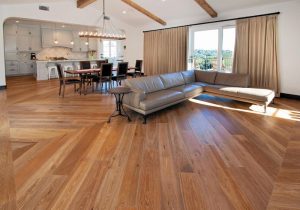
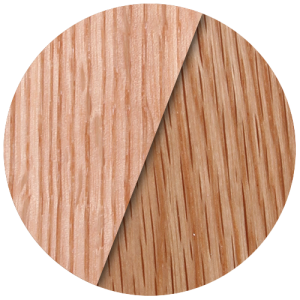
American cherry is known for its fine, flowing grain patterns and subtle character markings. The surface feels smooth and refined, especially when milled with traditional tongue and groove profiles or installed as wide plank flooring.
Brazilian cherry has a tighter, more dramatic grain with stronger contrast. Its density creates a flatter surface that shows fewer marks over time, particularly in busy areas.
If you appreciate a wood that develops and deepens over time, American cherry offers that evolution. If you prefer a consistent, dramatic tone from day one, Brazilian cherry holds its color with remarkable stability.
Finishing and Appearance Over Time
American cherry accepts finish exceptionally well. It can be left natural, lightly toned, or enhanced with custom stains. Water-based finishes preserve clarity and highlight the wood’s natural warmth, while oil finishes deepen color and richness.
Brazilian cherry typically performs best with a clear finish. Because of its strong natural color, staining rarely changes its appearance significantly.
Both species refinish well. When wear appears, sanding and refinishing restore clarity and sheen, extending the life of the hardwood flooring rather than requiring replacement.
Moisture and Stability
Both woods perform best when indoor moisture levels remain consistent.
- American cherry responds more noticeably to seasonal humidity changes, which means proper climate control helps prevent small gaps or movement.
- Brazilian cherry’s density makes it more dimensionally stable, especially in homes with fluctuating conditions.
With good humidity management, either species performs well. In less controlled environments, Brazilian cherry tends to show fewer visible changes over time.
A Perspective From Patrick Daigle
Over four generations, we’ve worked with nearly every hardwood species available. American cherry floors bring warmth and character that deepen with age. Brazilian cherry offers durability and strength in spaces that see constant activity.
Choosing between them isn’t about which is better. It’s about understanding how each wood flooring option will behave in your home, how it will respond to light, traffic, and time, and what kind of story you want your floors to tell.
If you’re comparing hardwood options or evaluating engineered hardwood versus solid hardwood flooring, Patrick Daigle Hardwood Flooring can walk you through samples, performance expectations, and long-term care so your decision is informed and lasting.