




Deep Cleaning Hardwood Floors: What It Does, When It Helps, and How to Do It Right
Deep cleaning hardwood floors isn’t about making them look different. It’s about removing buildup that interferes with how the finish protects the wood.
When wood floors start to feel dull, slightly tacky, or uneven underfoot, the issue usually isn’t the wood itself. More often, it’s a thin layer of residue that has built up over time from cleaning products, tracked-in grit, and everyday activity. A proper deep clean removes that layer so the existing floor finish can do what it’s meant to do.
Recognizing that distinction helps you clean in a way that supports the floor rather than working against it.
What Deep Cleaning Actually Addresses
Routine sweeping, dust mopping, or using a robot vacuum handles loose debris. Deep cleaning focuses on what stays behind:
- Fine grit that settles into the finish
- Residue left by hardwood floor cleaner that does not rinse clean
- Oils from cooking, pets, and frequent contact in high-traffic areas
- Film buildup that dulls the surface and attracts more dirt
This cleaning process clears the surface. It does not rebuild the protective coating, repair scuff marks, or change the structure of engineered hardwood or solid wood floors. It simply allows the protective top layer to function properly.
If you’re looking for a baseline cleaning routine that supports this kind of care, the approach outlined in Hardwood Care and Maintenance: Helpful Tips fits naturally alongside deep cleaning without overdoing it.
When a Deep Clean Makes Sense
A deep clean is useful when:
- The floor looks cloudy even after regular cleaning
- Certain areas feel slightly sticky or uneven
- Traffic paths appear dull compared to surrounding boards
- Pets or kids have increased daily buildup
Homes with animals often see this first. Pet oils and debris accelerate surface residue, especially in high-traffic areas, something explored further in Hardwood Floors and Pets.
A deep clean is less helpful when the finish itself is worn thin or bare wood is exposed. In those cases, cleaning can’t replace protection.
How to Deep Clean Without Stressing the Floor
The goal is control, not force. Most damage during cleaning comes from excess moisture, harsh cleaners, or abrasion.
Start With Dry Removal
This step matters more than any cleaning solution.
- Use a microfiber mop or microfiber cleaning pads
- Vacuum with a soft brush attachment
- Avoid scrub brushes or aggressive brush rolls
- Focus on entryways, under furniture, and along baseboards
Fine grit left behind can scratch the protective layer during damp mopping. This is especially true in homes with active pets, a topic also covered in Paws, Claws, and Floors.
Use a Cleaner That Rinses Clean
Choose a pH-neutral cleaner made for finished hardwood.
Avoid harsh cleaners, baking soda, olive oil, lemon juice, or products that promise shine or polishing. These often leave behind residue or interfere with future maintenance. Always test the product in an inconspicuous area first. For everyday-safe options and what to avoid, How to Clean Hardwood Floors: Easy Ways offers a straightforward reference.
Mop Lightly, in Sections
- Wring the microfiber mop until barely damp
- Work in small sections, following the grain
- Rinse or replace mop heads often
- Avoid steam mops or steam cleaning methods
You are lifting residue, not washing the floor.
Dry as You Go
Follow each section with a dry microfiber cloth or dry dust mop. This prevents moisture from lingering and helps maintain a streak-free finish.
What a Deep Clean Reveals
Once residue is removed, the floor’s condition becomes clearer.
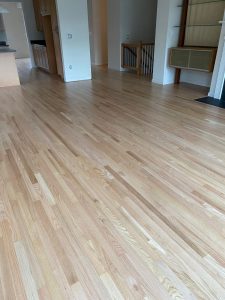
- If it looks even and feels smooth, the finish is still intact
- If scratches become more noticeable, the finish may be thinning
- If dullness remains, cleaning wasn’t the only issue
This feedback helps determine whether continued care or professional hardwood floor cleaning service is the next step.
Families usually notice these changes first in kitchens, hallways, and entry zones where wear is concentrated. Long-term patterns like this are discussed thoughtfully in A Family’s Guide to Making Hardwood Last for Generations.
Habits That Matter More Than Products
Deep cleaning works best when paired with simple habits:
- Entryway mats to reduce grit
- Felt pads under furniture legs
- Regular dry cleaning with microfiber cloths
- Prompt cleanup of spills
- Avoiding rubber pads that trap moisture
These habits reduce how often deep cleaning is needed in the first place. If prevention is the goal, Protect Wood Floors From Damage breaks this down clearly.
A Balanced Approach to Care
Deep cleaning is most effective when it’s part of proper care, not a fix for every problem. When done thoughtfully, it removes buildup, supports the floor finish, and gives you a clearer picture of your floor’s condition.
At Patrick Daigle Hardwood Flooring, we’ve worked with hardwood floors through decades of use and across generations of homes. That experience reinforces one simple truth: floors last longest when care is consistent, measured, and responsive to what the wood is actually showing you.
If you ever feel unsure, we’re here. Give us a call, ask us a quick question, a phone call, or a professional evaluation can help keep small issues from becoming larger ones and keep your hardwood performing well for years to come.